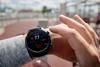



People now use a combination of wearable biosensor devices and mobile apps to monitor their physiological, behavioural and environmental surroundings. These tools allow users to monitor physical activity, sleep quality, snoring, menstrual cycles and fertility.
There are also apps that enable users to scan barcodes to log calorie intake and receive recommendations based on their goals, widely accepted food guidelines, and their lifestyle. Self-quantification provides consumers with a sense of greater control over their bodies and the insights derived from these applications can support informed changes in their habits, which, in some cases, can lead to healthier lifestyles. This phenomenon is known as the self-quantified consumer.
As self-quantification expands, corporations and healthcare institutions are increasingly exploring how they can use this data in the workplace, a practice sociologists call ‘dataveillance’. Extending the self-quantified consumer to the quantified workplace is already a reality in some sectors, particularly to assess risk.
Just as car insurance firms are using tracking devices to assess drivers’ risk levels, health insurance firms can use self-tracking data to monitor users and adjust insurance premiums based on the data they collect.
Corporate wellbeing strategies can also draw on self-quantification to encourage employees to continuously self-optimise and self-govern their health, increase productivity or to support team-building activities. The underlying rationale is that healthy, self-improving employees allow organisations to obtain more work and productivity for the same salary.
For example, Bank of America reported increases in productivity when call-centre employees took their breaks at the same time. Other organisations incorporate elements of gamification into self-tracking devices, building internal teams and using leaderboards on platforms such as Strava or Fitbit.
Ultimately, self-tracking apps offer opportunities to measure the impact of organisational and individual changes, but they also risk making employees feel observed and controlled, if these practices are introduced in a coercive manner and without genuine buy-in from staff.
Dr Rodrigo Perez-Vega is an associate professor of marketing at Henley Business School