

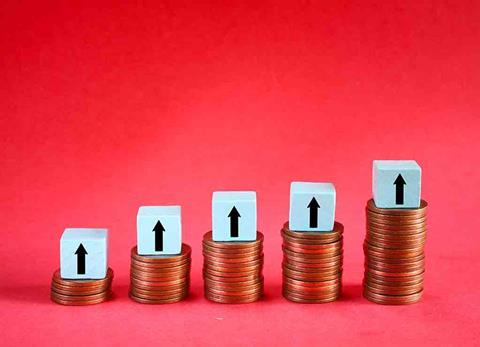
The national minimum wage in Ireland will increase from €13.50 to €14.15 per hour from 1 January 2026 (£11.69 to £12.25).
In his 2026 budget, minister Pascal O’Donohoe revealed that the Irish government had accepted the recommendations of the 2025 Low Pay Commission (LPC) Report.
He said that the domestic economy in the Republic of Ireland was projected to grow by 3.3% this year and 2.3% next year. Real-terms income will also grow, supported by lower inflation, forecast to remain at 2% over the coming year, he added.
However, while the national minimum wage will rise by €0.65, it will not reach the level of a proposed national living wage, which was the government’s original target.
Ireland is currently in the process of phasing in a national living wage, and had planned for this to replace the national minimum wage by 2026. The NLW is to be set at 60% of the median wage in any given year, ensuring it reflects overall earnings. This would be around €14.80 an hour, so the latest increase is not far off.
Business bodies in Ireland have accused the LPC of being “out of touch” with the pressure employers face in some sectors.
Jean McCabe, chief executive officer of Retail Excellence Ireland, claimed her sector had had to shoulder a 35% increase in the minimum wage over the last five years.
In its budget, the Irish government also announced a €10 increase in social insurance payments, such as maternity and paternity benefits per week, per person. Working Family Payment income thresholds will increase by €60 per week for all families.
Jack Chambers, finance minister, said: “We want our country to be an attractive place to live in, work in, raise a family and create jobs and opportunity, a foundation of real progress for the future.”