

Something for the weekend: Due to the rise in popularity of work-from-anywhere schemes and remote working, some employees are choosing to move abroad and work in the sunshine. After all this rain, who can blame them?
If you fancy doing this and want to know the best place to go, a report from InternationalLiving.com can help. This identified five European countries that will ‘pay’ people to move there.
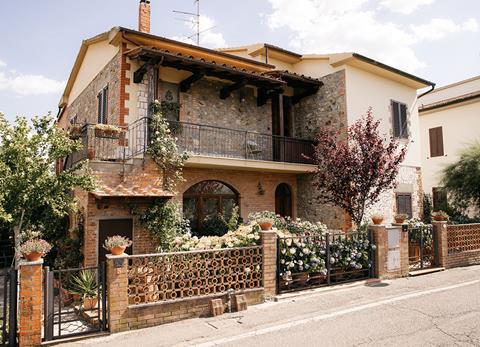
Italy offers €1 home schemes, usually located in rural or shrinking towns. These typically require buyers to renovate within a fixed timeframe and put down a deposit to guarantee the work is completed. Some towns also offer rent or energy subsidies to newcomers.
Trentino grants up to €100,000 (£87,075) toward a home purchase and renovation, provided it is lived in. Radicondoli offers grants and subsidies with a requirement that new residents live there for at least 10 years. Specific southern municipalities and regions have a 7% flat tax concession that lasts for 10 years.
Spain offers cash grants and free or discounted land, but people must be listed on the municipal register as a resident and taxpayer and make it their main home for a minimum period. Ponga offers €3,000 to new residents, and the Extremadura region provides relocating digital nomads with grants of up to €15,000 (£13,061). An expat tax strategy offers a flat rate on certain income, along with exemptions on some foreign-source income.
Ireland’s government offers grants of up to €70,000 (£60,952) to refurbish vacant or derelict houses, rising to €84,000 (£73,143) on offshore islands. People must live in the house or rent it out.
Some small Greek islands, such as Antikythera, offer a house, land and €500 (£435) per month for up to five years to attract residents and essential workers. Another programme grants up to €10,000 (£8,707) for moving to shrinking regions, and there is a 7% flat tax rate for up to 15 years for new residents.
Under the Portuguese Emprego Interior Mais programme, eligible applicants can receive a one-off grant of up to €6,000 (£5,224) to help cover the cost of relocating to the countryside. Households may also qualify for an additional 20% per dependent.
Ted Baumann, author of the report and chief global diversification expert at International Living, said: “One important detail to consider is that it’s a small town or a region of a country offering an incentive, and people would still need to qualify for residency. An income-based residency status, such as a retiree or digital nomad visa, can be an excellent way to start a life overseas with a bit of extra financial support.”
We can definitely imagine wellbeing improving while sat working in the sunshine!