

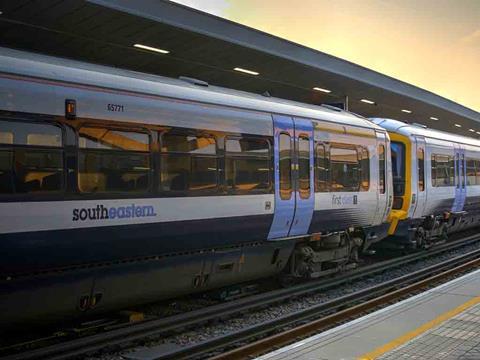
Rail operator Southeastern has introduced access to a healthcare platform to improve staff wellbeing and resilience, and reduce absenteeism.
The organisation has around 4,500 employees, including drivers, conductors, on-board managers and station staff. Previously, Southeastern used an employee assistance programme to support employee wellbeing, however, engagement was limited and this did not align with the needs of its diverse, shift-based workforce.
Through the platform, provided by Sonder, Southeastern’s workforce will have 24/7 access to physical, mental wellbeing and safety support, which has been purpose-built to specifically help its frontline workers.
The platform prioritises early intervention and quickly connecting employees with qualified advice, clinician-led triage, and mobile-first accessibility, which is considered critical for Southeastern’s geographically dispersed team.
As part of its workforce strategy, Southeastern is also using the platform to support smarter absence management, measure trends, inform workforce planning, and identify improvement opportunities.
Alex South, head of HR shared services at Southeastern, said: “Our people are central to the service we deliver. Sonder gives our teams fast, trusted access to care, whether it’s health-related, emotional, or promoting personal safety. The feedback has been overwhelmingly positive, and we’re already seeing impactful engagement across the organisation.
“This is about showing our teams we’ve got their back. We want them to feel supported, valued, and ready for the important roles they play in keeping people moving. It helps us to show we care.”
Rosie Corriette, occupational health and contracts manager at Southeastern, added: “Sonder integrates preventative, data-led care directly into our operations, cutting response time, reducing risk and strengthening workforce resilience, In a service such as ours, this is about precision, continuity and delivering every day; our partnership with Sonder allows us to do that for both our people and passengers.”