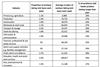



UK employees were off sick for nearly two full working weeks, at 9.4 days on average, in the last 12 months, according to research by the Chartered Institute of Personnel and Development (CIPD).
Its Health and wellbeing at work report 2025, which was supported by Simplyhealth and surveyed 1,100 employers, found that this is an increase on 7.8 days in 2023 and pre-pandemic levels of 5.8 days.
The top three causes of long-term absence of four weeks or more cited by respondents were mental ill-health (41%), musculoskeletal injuries such as back pain (31%), and other long-term health conditions, such as cancer (30%).
Meanwhile, the top causes of short-term sickness absence of up to four weeks were minor illnesses such as colds or flu (78%), mental ill health (29%), stress, and childcare responsibilities (both 26%).
The most common measures taken to support mental health include access to counselling (43%), phased return to work or other reasonable adjustments (43%) and providing access to employee assistance programmes (41%).
Almost three-quarters (74%) of respondents said employee wellbeing is on senior leaders’ agendas, up from 61% in 2020, while 63% said managers feel confident to spot the signs of mental ill health and 73% feel confident to have sensitive conversations and signpost to support.
Despite this, just 29% are training managers to support staff with mental ill health.
Rachel Suff, senior wellbeing adviser at the CIPD, said: “It’s important for individuals and organisations that employers take a proactive approach to support health conditions at work. The longer someone is off, the more they might struggle to return. Long or repeated periods of sickness absence can make it difficult for organisations to plan their work, and unplanned absences can also place additional strain.
“As people are working and living longer, employers need to create workplaces that are supportive and help staff manage their health. Flexible hours and adjustments to workload can often make a big difference to help prevent ill health from worsening and absence.”
Paul Schreier, chief executive officer of Simplyhealth, added: “Employers have a crucial role in supporting employee health and driving a preventative approach, helping individuals stay in work while managing health conditions. By offering preventative care through easy-to-access health benefits that target the key drivers of absence, employees are able to seek support early before symptoms escalate.
“Providing affordable and accessible care, which is available to all employees 24/7, can help employees recover quicker and return to work sooner. To help them make the most of these benefits, clear communication and a supportive culture are essential.”