


Two recent employment tribunal cases have brought the issue of neurodiversity in the workplace sharply into focus. Pub chain Wetherspoons was ordered to pay over £25,000 to a kitchen porter with autism following an excessive disciplinary process, and Waitrose was strongly criticised for not paying an autistic volunteer performing valuable work for four years, then ending the arrangement when he asked to be paid.
An employer can easily find itself on the wrong side of a tribunal when it fails to fully understand a neurodivergent employee’s needs. What reasonable adjustments can it make regarding neurodiversity to keep safe from tribunal action?
Once an employer becomes aware that someone in the workforce is neurodivergent, the first step should always be to seek more information. Autism, for example, presents very differently in each person, so if someone meets one person with autism, they have met one person with autism. Taking the time to understand an individual’s strengths, challenges and preferred ways of working is essential to providing meaningful support.
In my experience, many autistic individuals find it extremely helpful to have a trusted advocate or companion when dealing with sensitive workplace issues. They are rarely rule-breakers or confrontational by nature, but they may struggle to advocate for themselves when stressed or taken by surprise. Allowing someone they know well, not necessarily a colleague or union representative, to attend important meetings can make all the difference.
Structure and predictability also matter. Changes to team, routine, or workspace can be particularly distressing for neurodivergent employees. Employers that communicate clearly, offer flexibility, and provide reassurance during transitions will be far better placed to maintain engagement and trust.
Finally, small adjustments to onboarding, communication style, and meeting structure can go a long way. Presenting information in a clear, accessible format, and reducing unnecessary formality can help neurodivergent employees focus on content rather than anxiety.
These are good business practices. Understanding and accommodating neurodiversity helps create workplaces that are fairer, more inclusive, and, ultimately, more successful for everyone.
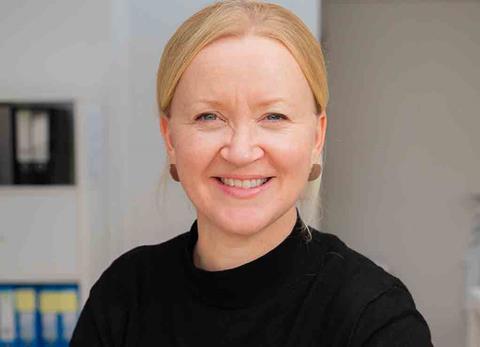
Jo Martin is a solicitor at Bellevue Law